Long-term planning vs. short-term planning
The cheapest equipment on the tender sheet is often the most expensive one on the balance sheet.
Read article‹ All insights · Factory start-up
Why saving on the local team during a factory launch is one of the most expensive decisions a company can make.

Construction and launch of a new factory is a difficult and complex process that requires many aspects to be combined with the needed time, resources and goals. Many international companies that build new factories plan this process years in advance and make significant preparations. During this preparation many components of the project must be understood and calculated — from production and sales volume to personnel cost and the time for each stage. Each factory that results from such a process should start operation and deliver the necessary output.
For big companies every new factory is a strategic expansion and optimisation of the current production and sales portfolio, and becomes part of the company’s global network. As a rule, such companies have dedicated teams for calculating, planning and supporting factory construction and the start of production with the following ramp-up. These people are usually part of the global team responsible for new model launches and production updates. Some of them will be directly at the factory during construction, start of production and the first months or years of operation. On the other side, in the country where the factory is created, a local team has to be built to support construction and operations.
Global teams usually consist of people from the company’s home country or from countries where the company already has R&D or long-term operations. They understand global processes well, but very often are not familiar with the local language, mentality and way of operating in the country where the factory is built. In the EU or the US, where processes are similar and most people speak English, construction can largely be implemented by global teams and processes handed over to the local operational team.
Where an international production culture is only narrowly established or not established at all, where mentality and language differ and English is not widely spoken, the importance of the local team is much higher. Successful construction and start of production are then the result of strong cooperation between local and global teams — and in many aspects the local team plays the critical role. Hiring and building that team becomes a key part of a successful launch.
Without a strong local team it is very difficult to reach the targets for construction and local production. Unfortunately, many companies prefer to save on local teams. In such negative examples the local team is hired on the principle “as cheap as possible” — with a strong increase in money lost during construction and preparation, and a much higher workload for the global team. During interviews candidates are pushed to lower their salary expectations until every candidate with appropriate experience declines and only under-qualified ones remain — all to show headquarters an annual saving of maybe €50,000.
But what is €50,000 or even €200,000? For an individual it is a lot; for a factory with an average investment of around €200 million it is just 0.1%. Suppose most candidates for a head of department ask for €2,500–3,000 per month and the company offers €2,000. It will get an under-qualified candidate. It may save €10,000–15,000 a year — but if that department head leads the team in the wrong direction, loses or forgets something, or hires the wrong people, the loss can reach hundreds of thousands of euros, in the worst case millions. In a car factory, €15,000 is about half the price of one car in a plant producing 50,000–100,000 vehicles a year. The risk is simply too big.
Two ways to give global teams good local support:
If a local team is created on the principle “as cheap as possible” without any consulting support, results will not match expectations — especially for complex products (not T-shirts, but cars or components). It can cause money loss and a decrease in quality.
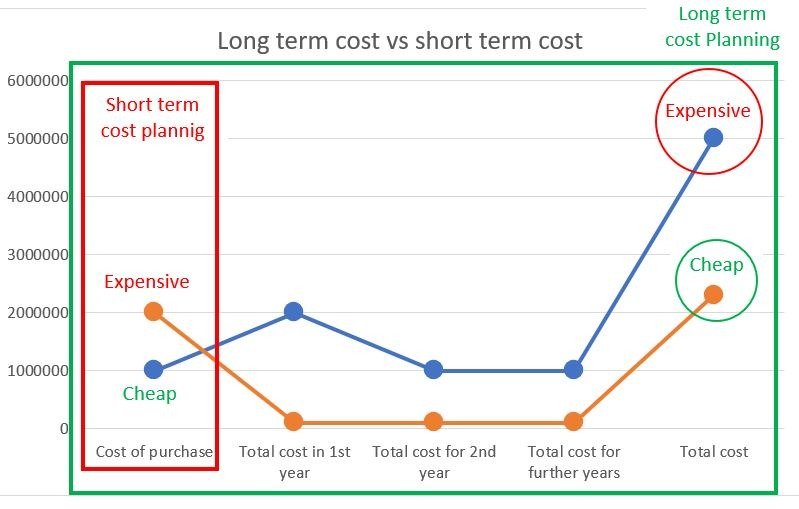
The cheapest equipment on the tender sheet is often the most expensive one on the balance sheet.
Read article
SMART is not enough. Add Process and Person — and KPIs start managing for you.
Read article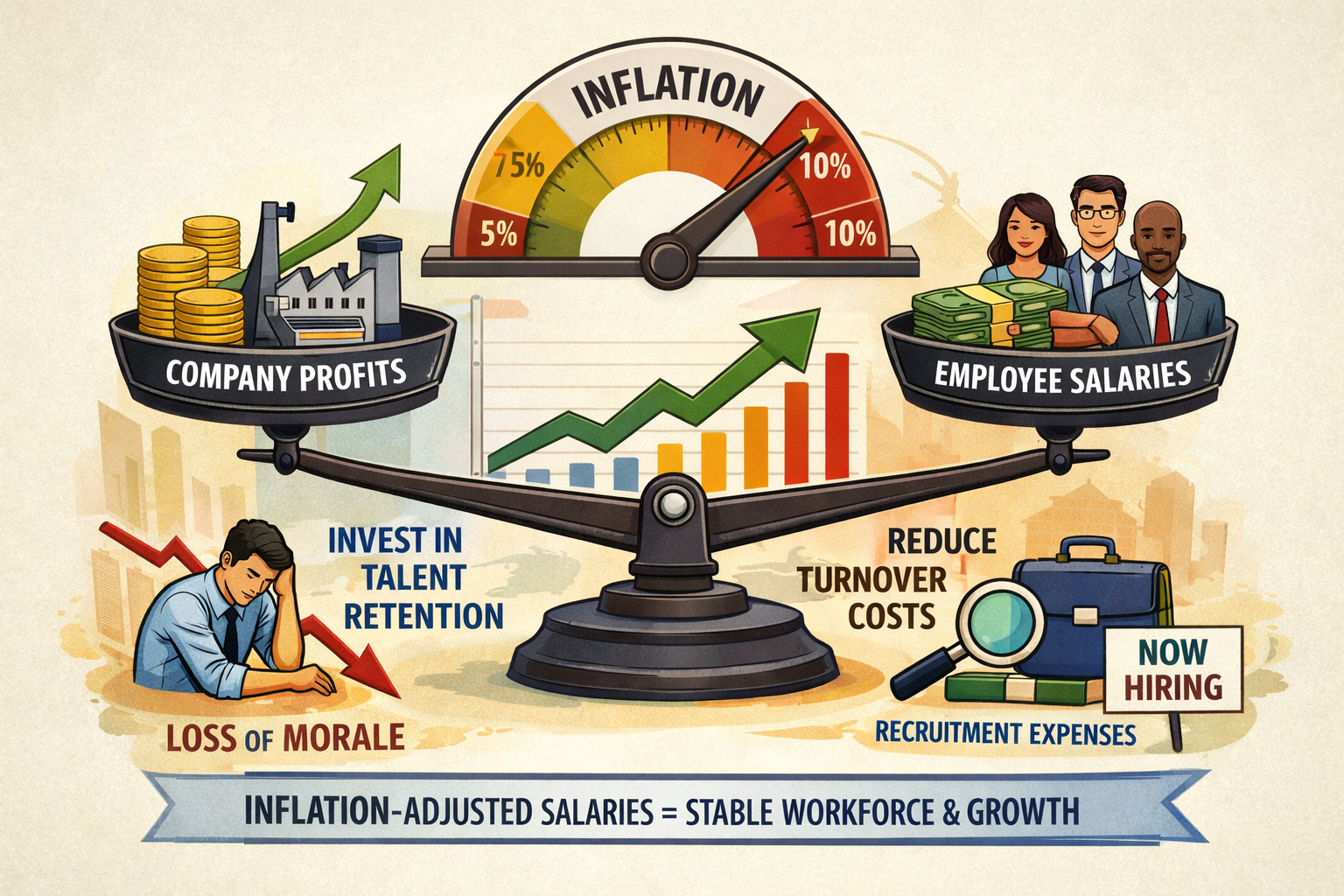
Salary adjustments below inflation are a pay cut — and a costly one.
Read article